

Color Therapy: Healing with the Power of Colors
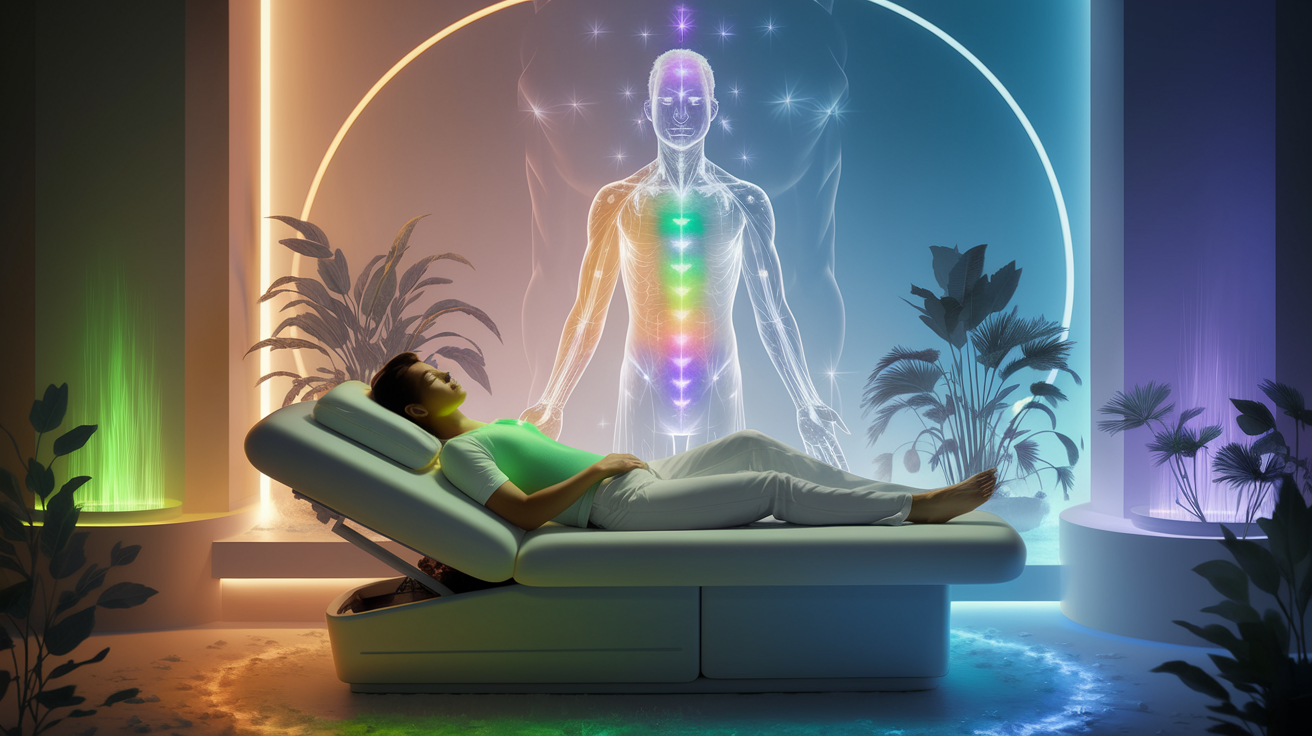
Do you suddenly feel better when you see a lovely sunset? Or do you look forward to a soft blue room after a long day at the office? These examples show that colors profoundly affect your mental and physical health. This article focuses on color therapy. Not only can it help, but colors can also be healing.
What Does The Words’ Color Therapy’ Truly Mean?
Intentional healing with the help of colors is called color therapy. As the name suggests, it focuses on the healing practice of using the energy released by different colors to improve an individual’s mental or physical state. This school of thought argues that colors are more important than being pretty and can affect your health.
The use of color for healing is not a new phenomenon. The ancient Egyptians used different colored gemstones and sunlit ‘shower’ rooms. The ancient Chinese healers had other colors for other organs and energy pathways.
I remember visiting my aunt’s place when I was a child. She painted her living room in bright yellow hues, even on gloomy days. She called it her “sunshine sanctuary.” She used to say, “all I have to do is check in here to feel better.” For a period of my life, I thought this was strange behavior. Years later, I discovered that she had benefited from color therapy without knowing it.
What Does The Spectrum Say About Things?
Is all this just some new age stuff? Not exactly. There is valid science about how we are affected by color, but the research varies.
Colors are formed when different types of light waves mix. When those waves hit our eyes, they trigger hormones. For example, blue light can make us more alert by suppressing the hormone, melatonin that makes us sleepy. So, you shouldn’t end the day scrolling through your phone, but you can stare at the midnight stars.
In a psychological context, our mental associations with color are influenced by our previous experiences, exposure, and culture. Why do so many fast-food restaurants use red and yellow in their logos? It makes you want to eat and act impulsively. Those golden arches make one crave French fries.
The Benefits of Each Color of the Rainbow
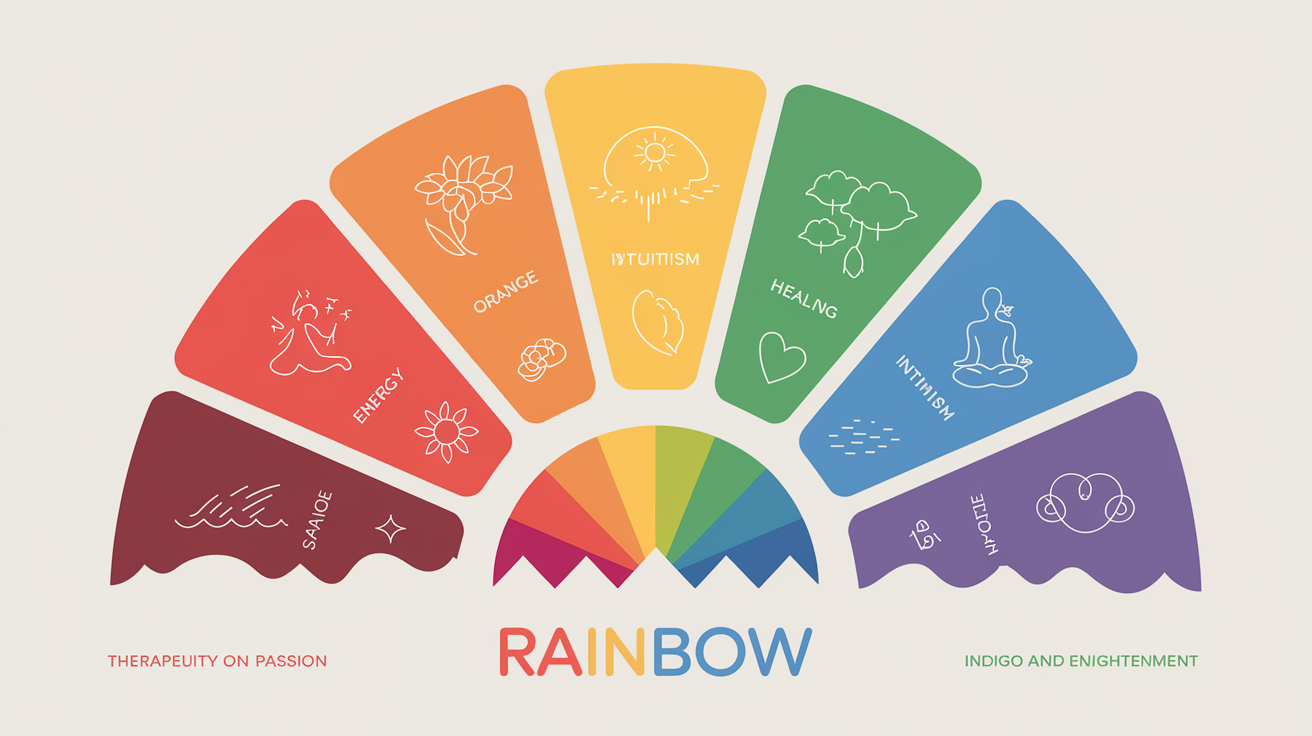
Red Represents Power
Red is not flashy. It represents power! The red spectrum enhances your appetite. It’s attention-grabbing! Intense red tones can increase your heart rate, blood flow, and blood pressure briefly. If you’re sleepy, red will feel like caffeine to your eyes.
My friend Marco had been low on energy for weeks, but he was recovering from a severe bout of pneumonia. The individual told him to wear more red every day. At first, he was pretty reserved. He eventually owned a red tea mug, socks, and a scarlet phone case. He later said, “I know it’s crazy, but I feel good around red.” The hue gave me energy.
Benefits: It can positively affect anemia and other blood conditions, reduce fatigue, and improve blood flow.
If you’re stressed, angry, or have high blood pressure, you might not want to paint your bedroom red.
Orange for Creativity
Science shows that orange increases cognitive and creative function. It also reduces feelings of stress, improves breathing and eases digestion.
Orange combines the warmth of red with the happiness associated with yellow.
Yellow- The Mental Spark
The warm hue “yellow” is an excellent color that helps you think clearly by infusing a space. Yellow almost radiates light, and this hue gives it that. Of all colors, yellow can spark conversation even in the worst times.
My coworker, Sarah, had a tough time in the winter because she has seasonal affective disorder. She didn’t start taking medication right away. Her first step was yellow therapy. She painted the walls of her home office bright yellow, stocked up on gold lamps, and started wearing more yellow accessories. ‘It doesn’t solve everything, but being surrounded by yellow helps me feel like I’m creating the sun during those dark months.’
There are many benefits, such as increased concentration, feeling more ‘awake,’ relieving depression, and improving mood during other seasons.
Some people don’t want it, and certain individuals experience heightened tension when exposed to excessive yellow. As I said, it is irritating!
Green Gets the Scale
Green is the middle of the visible colors. It occurs naturally in many things and is one reason why green has calming properties.
Possible benefits include calming effects, lowering heart rate, and easing stress and anxiety.
Blue is Calming
Blue is your friend when you experience a panic attack because it calms you down. Your heart rate decreases, your blood pressure drops, and you feel more relaxed.
Some possible outcomes are lower blood pressure, improved sleep, and reduced fever and inflammation.
Purple for spirituality
People have attributed purple to spiritual aspects, wisdom, and transformation for centuries. It is like a movie character: a mysterious mastermind who speaks in riddles to help the protagonist reach his destination.
Some possible outcomes: enhanced meditation practices, increased intuition, and a cure for many nervous problems and pain.
Unfortunately, purple is not a good color when you need to feel practical and grounded. It can be too purple.
Incorporate color therapy into your daily routine.
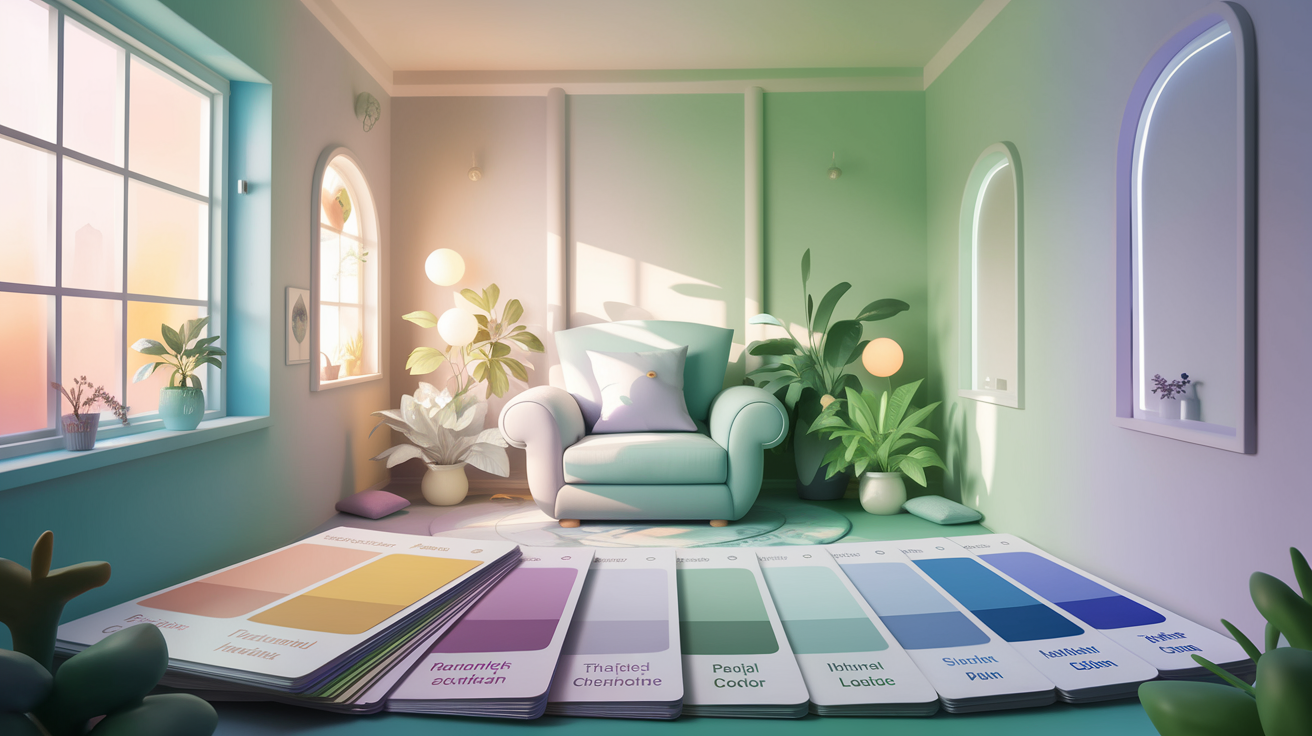
Wardrobe suggestions
Your wardrobe can hold more opportunities than you think. Organize your clothes by color according to your daily schedule.
Are you looking to boost your confidence for a big presentation? Grab a red shirt.
If you are scared for your first date, a cool blue shirt might be a good choice.
Need inspiration for a difficult task? People say yellow makes you feel good, so prepare your surroundings with yellow.
I used to laugh at this approach before I tried it. For an important interview, I wore a power suit with a soft purple tie instead of my navy blue tie. The royal color, purple magically gave me strength and motivation. Did they hire me? Yes. Did I attribute it entirely to the tie? Probably not, but the purple burst of confidence was undeniable, so the tie did something.
Improve your health at home.
Any area of
You should choose the wall tone that best suits your personality.
Yellow bulbs can be placed in the study area, while blue bulbs in the bedroom.
Visualize in different ways.
For example, you don’t need excess color to experience effects such as relaxation or meditation.
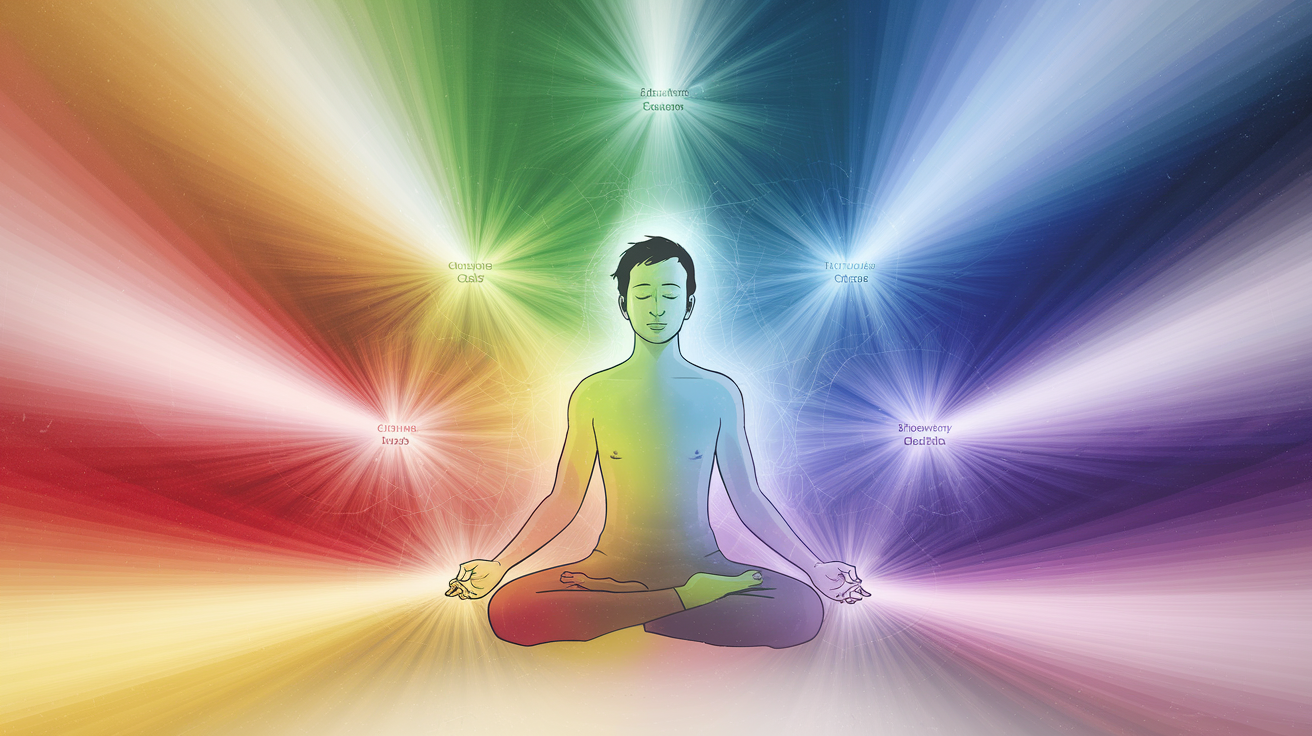
During meditation, imagine a yellow healing light enveloping you.
Send healing requests with color to specific areas of your body that need restoration.
Illustrate a ‘color shower’ to relax through mental imagery.
Applying color to food
You can also incorporate color therapy into your dining table. Every color of food has unique nutrients and benefits.
- Red foods like tomatoes and watermelon are heart-friendly due to the natural compound lycopene.
- Carrots and citrus fruits, which fall into the orange and yellow categories, contain vitamin C and beta-carotene.
- Leafy greens are rich in chlorophyll, phytonutrients, and other healthy plant nutrients.
- Berries like bilberries and blueberries are rich in antioxidants.
My grandmother used to say, “Eat the rainbow” before it became a trend.
When Color Therapy Isn’t Enough
We are still in the dark about color therapy, and while it can have health benefits, it must be balanced. Color is excellent, as much as we like to think it is, but it is not a replacement for medical intervention when problems arise.
Color therapy can help you greatly if you are physically active and take care of yourself. You may not be able to do much alone, but it can help you extend your life with other strategies.
Consider the cultural context.
Pay attention to the mystery of how different cultures represent color.
Different societies and cultures attribute different meanings to colors. In Western cultures, white symbolizes purity and is associated with weddings, while in many Eastern societies, it signifies death and mourning. When practicing color therapy, consider your personal history and background.
Different cultures: The significance of color is universally different. Color coordination rules rarely justify personal expression. Many people find comfort in what disturbs others. Break the suggested color rules and focus on what makes you feel good.
Someone might feels lost and depressed in the blue room while others might find it comfortable and at peace, which is strange. Color therapy does not work for everyone.
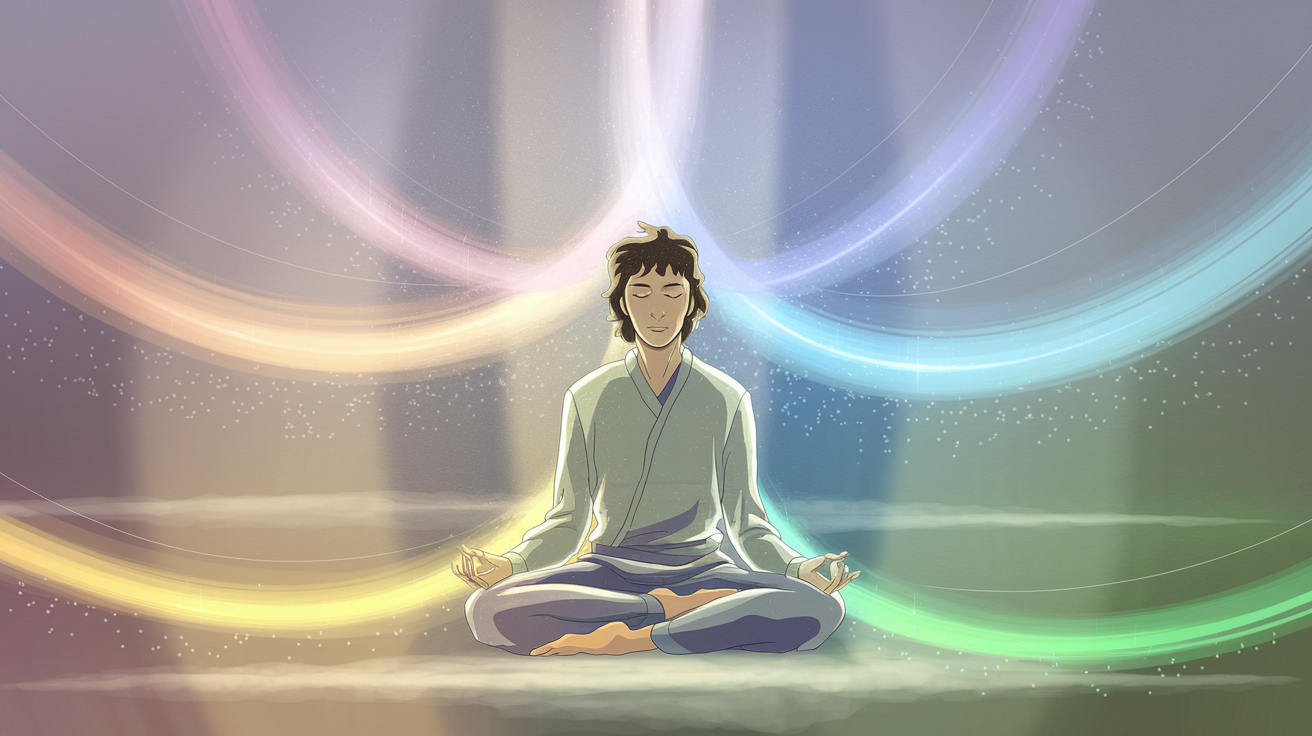
Try it yourself
Let me show you what color therapy can do for you.
Try it once or twice. It is straightforward to get started.
- Start your journey by listing the colors that positively and negatively affect your mood.
- For a week, keep a film strip of your experiences surrounding each color and how it resonates with your emotions.
- Take one color at a time. Let’s say you aim to wear blue for a week. Pay attention to what is happening.
Your body usually understands your needs more than you think.
Final Thoughts
Color therapy is fun, and the best part is that anyone can use it. Whether you paint a wall, choose clothes, or simply observe your surroundings, many colors serve various functions.
Unlike other methodologies, color therapy is simple. The many perspectives it allows make it even more appealing. If you’re curious to observe how different colors change your mood, this therapy is accessible to everyone. It doesn’t require heavy equipment or specialized skills.
To heal, you need to find balance. Living in hyper-red can make you lose focus in a room, but it can help someone else stay alert. A small amount of red can be refreshing. When approached with the right mindset, this rule can enrich your experience. Your perception shapes the outcome—a harmonious blend of countless contrasts that enhance your life.
The next time you’re feeling sad, stressed, or even trying to escape something, take a moment and think about which color might help you get back on track.
The color you need to heal is already waiting to work its magic.
Our lives can benefit from a spectrum of colors—each one capable of improving how we feel, think, and live.

Leave A Comment