

Healing Relationship Burnout by Identifying Karmic Patterns
Burnout in relationships doesn’t just happen. It creeps in like water in old walls and over time you wake up one day and realize that you’re not reacting to the person across from you anymore. You’re reacting to the pattern. But when you see that, everything changes.
The Slow Burn of Burnout

For most of us, burnout translates to the end of the relationship. Pack the bags, change status, move on. In some cases, it does mean that. However, much of the time, it is more complex. Even though you feel utterly exhausted, the love can still be there, even deep. It’s not always the partner that’s sucking you dry. It’s the same old karmic script that neither of you can fully comprehend and it goes on and on.
I have learned to think of karma as a digestive process, rather than a punishment from the universe. The same lesson is repeated because you have not yet learned it. Not because the universe is against you. It just keeps on serving the meal until you eat it. But when the heart is involved, all the clear spiritual words are lost. Discussing soul contracts and energetic connections can be done all day long, but when you are in the middle of a real fight, it’s like muddy boots and raw nerves. That’s where the work really takes place in the mess, not the theory.
When Reactions Don’t Match the Moment

Notice when the answer is too large for the event. Your person steps back a bit, and you find yourself overwhelmed with feelings of abandonment from some other time in your life. A regular disagreement escalates to evidence that they’re leaving. A simple boundary is like being thrown away. The key is that mismatch. There’s too much heat for the present moment. A something older is riding along.
I have done it, I have done it myself. Became sharp and defensive about something small and only later did I realize that I was not arguing with my partner. I was fighting with demons. Then you can’t miss it. But, in all honesty, it’s a bit embarrassing. You believe you’ve outgrown some things in life, only to find out you haven’t.
Familiar Pain Feels Safer Than Peace
This is one thing I have to come to terms with. Many of us prefer to be in pain than in peace and love without having to earn it. We remember what we know. When love is the soundtrack of your childhood, then a lack of it can feel off. Suspicious. Too quiet. The other shoe will drop any minute now.
I’ve seen friends remain in a passionate, intense relationship due to the feeling of destiny. It was irresistible and was taken as fate. “Together we should be,” they would say, as they explained the patterns that were clearly wearing them down. Intensity may be spiritual, of course. Sometimes, however, it’s an old wound seeing its old dance partner and getting excited to cut the rug again. It has saved me a few years of wasted time that I would have spent otherwise if I didn’t learn to tell the difference.
Patterns That Wear Your Face
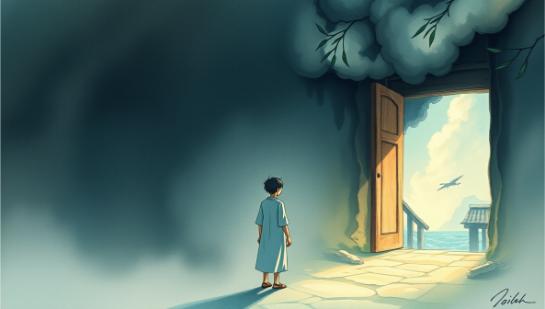 These loops are ingenious. They dress up as themselves and act as if they’re supposed to be there. Perhaps you over-give because love was like a transaction that you had to keep earning. Perhaps you don’t want to have difficult conversations because you lost a lot of something in the past. Or you run after people who can’t run after you, and the running after you is home.
If left to its own devices, the pattern becomes a part of your story. You begin to say it’s who you are. “It’s me who is always being let down, that’s how I got here.” “Heartbreak opened me up and made me intuitive.” The chapters are true, but at some point the wound takes over and becomes the driver. You continue to make it up to yourself to feel connected to the version of you that came out of the pain. That’s burnout. Not because of too much love, but because of never leaving the classroom after the bell.
What the Body Already Knows
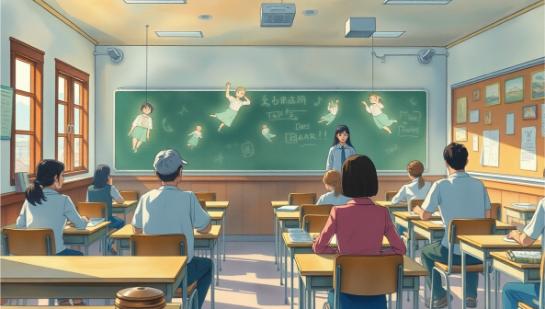 Your body will most likely know the answer first. You feel weighed down by this person, even when it seems like it’s going well. Fatigued beyond the ability to be remedied by sleep. Or you feel you’re always on your guard for the next emotional blow, particularly when things are going well. It’s tiring to hear that low voice saying “something’s about to go wrong.” It teaches you to anticipate failure and sometimes you do it on purpose.
Various faces, same pain. The karmic signature is that. It’s okay to switch partners, but if you’re still using the same architecture within, the song remains familiar.
Karmic Love Hits Different
Karmic connections tend to be hot. That feeling of instant recognition, big feelings, that you’ve known them before. It’s magnetic, dramatic and full of lessons. Conscious love sounds quieter, in comparison. Fireworks less, presence more. Does not require half broken to function. It calls you to come as whole as you can be.
If you’re restless when you’re calm and in love, then you’re sitting with the right person. It could simply be a problem with turbulence in your system. One type of relationship attempts to complete unfinished business. The other begins something new from where you’ve already cleared the ground. They are not the same and pretending they are keeps many people stuck.
Self-observation of your own role
 To discover your patterns, look back without rose coloured glasses. What do you continue to play? The person who comes to the rescue. The one who runs after the connection. The silent martyr. The avoider who shuts down. The one who over-explains and pleads to be understood.
Those positions are not just any positions. They refer to the previous arrangements you made at some point. When triggered, see what your reflexes are, not what your nice intentions are. Intentions lie. Reflexes speak the truth. Do you collapse? Attack? Freeze? Over-function? This is the actual information.
The Catch in Fixing Them
Here we spend so much of our time. You see the karmic loop and you begin to work on their side of the loop. “They activate my abandonment wound.” Fair enough. But the question is why is that wound still open and bleeding at the drop of a hat. That’s your responsibility.
It’s productive to change someone else. It isn’t. Real movement is when you break out of your own predictable reactions even when you feel 100% justified. There are two different neighborhoods, right and free. Maturity is asking questions about the pattern rather than keeping track of who’s to blame.
The Actual Work (It’s Not Pretty)
 Real repair is a bit of a drab job. You begin to monitor what is going on. When there is an argument, record what was said, what you felt first and what was below that. Often times, anger is armor. Unwrap it and you may discover the old fear or grief.
The pattern is weakened when watched. Things begin to move when you add actual changes – real boundaries, learning how to calm your nervous system, staying in discomfort rather than grabbing the old script. Meditation and energy work can help, but if you’re still acting out, then you’re spiritual bypassing and smudging the house is the solution to the root.
When the Soul Contract is about to End
No one wants to listen to this one. At times, the soul contract is just fulfilled. You learnt what you needed to learn. The love may still exist, but the purpose of the relationship has come to an end. After that, it’s the worst kind of burnout: the feeling of having to read a book that you already know by heart.
It does not have to be a failure if it is ended. Others come along for a season to remind you of the wound you’ve been ignoring. A painful gift but it is a gift. If the lesson lands, and you continue to circle, your system begins to yell for you to get out. It’s not cold to listen to. It’s honest.
Burnout as a Brutal Alarm
 We consider burnout to be a personal problem. I consider it to be helpful information. This way of relating is too much for your whole being to bear. It takes the romantic haze from the fantasies and reveals the truth. Perhaps you’re giving in to appease others. Perhaps you’re going for the potential again over the actual. Perhaps you have a commitment that you are still stuck with, but it doesn’t apply to you anymore.
It’s difficult to break those old loyalties, it’s like betrayal at first. Then gradually, weirdly, it becomes free. It’s a shoddy and incomplete and uncertain transition. There’s no such thing as becoming a flawless version of yourself to heal. You heal when you become conscious enough to stop bleeding on the same floor, fight the same fight, apologize the same apology, and it doesn’t change anything.
Sometimes the best thing you can do is to look the pattern in the eye, thank it for what it taught you and don’t go back in it. Not because the love wasn’t true. However, repeating it is no longer growth, it’s a long time ago. He got into the habit of wearing spiritual clothes. Finally, you’re done with being exhausted enough to want something that feels like life.
That’s the bit that no one talks about. However, it’s where real change begins.

Leave A Comment