

Lessons from “The Highly Sensitive” by Judy Dyer
You have always had the sense that you are living life with the volume of your emotions set to maximum. All the sounds are louder. All the feelings are more painful. Any encounter leaves you exhausted or energized in ways that even you do not understand. Okay, here is the big news: you may be one of the millions who live life as a highly sensitive person- an HSP. And the enlightening book by Judy Dyer called The Highly Sensitive provides a guide on how to turn what most people see as a liability into your ultimate superpower.
However, hold on a moment. Before we get into this goldmine of wisdom, we should clear up a myth. High sensitivity is not a disease that needs to be cured. It is not a mental illness or a personality defect. Instead, a unique neurological wiring occurs in about 20 percent of the population. It is like having a very advanced emotional radar system that detects frequencies that others may not even notice.
Understanding Your Tender Heart
 What are the signs that you are an HSP? Dyer gives twelve points that could make you relate. Are you exhausted after being in a harsh or loud environment? Are you attracted to small groups of people as opposed to loud parties? Do you know how to read a person’s emotional state before they have uttered a single word?
You may be familiar with the slightest environmental changes, such as when the lights go down or tension is in the air. Perhaps music, literature, or cinema makes you cry more easily than others. You may react dramatically to hunger, discomfort, drugs, or caffeine. Sound familiar?
HSPs need to have frequent alone time to recharge emotionally. They like politeness and well-bred manners. Most people have difficulty saying no because they fear hurting another person. They are very cruel to themselves, struggling with perfectionism and imposter syndrome. The feeling of conflict and criticism is especially overpowering.
Congratulations, you have probably found your sensitivity superpower if most of these traits sound familiar.
Emotional Equilibrium
 This is where it becomes interesting. Dyer does not imply that HSPs are supposed to hide their sensitivity; instead, they are supposed to do the opposite. She promotes the creation of advanced emotional intelligence and the establishment of smart limits.
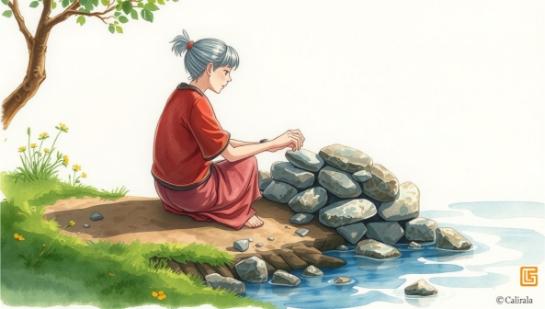
Emotional overwhelm can be thought of as flooding within your inner environment. Just like you would construct levees to control a river, HSPs require psychological levees to control their emotional inflow. This is to understand how to say no, a small word with massive protective value.
The development of emotional intelligence involves identifying your triggers before they lead to action. Do some environments drain you more than others? Are there certain personalities that drain you? Awareness of these patterns lets you be ready, shielded, and keep your energy resources in place.
Cleansing Your Environment of Negative Energies
 One of Dyer’s most interesting pieces of advice is probably the active cleansing of the environment of negative energies. This is not some mystical woo-woo. It is practical psychology presented in easy-to-understand language.
HSPs have nature as their strongest ally. Nature gives you respite and equilibrium. The most effective way to reset your emotional state is to walk barefoot on earth, put your hands in flowing water, or envision fire eating up negative energy.
The place you live in is significant. To improve the positive vibrational quality of your environment, you can add natural elements such as bamboo, orchids, or peace lilies. Traditional sage smudging helps some HSPs clear stagnant energy.
Creative expression is a necessity for expressing strong feelings. Expressing excessive energy in painting, composing, singing, or dancing can turn negative energy into positive artistic creation. It is the best emotional alchemy.
Building Genuine Relationships
 Romantic relationships are a problematic issue for HSPs. You are an empathic person, a sponge who soaks up the emotions of others. Learning to separate your feelings from those you have absorbed is essential to staying psychologically healthy.
Dyer also points out that you should surround yourself with people who will validate and value your sensitivity. HSPs find themselves especially depleted in toxic relationships, and it is crucial to recognize energy vampires and avoid them.
Nevertheless, there are complications on the other side of the coin. HSPs also tend to rush into deep romantic relationships based on the wrong assumption that emotional intensity is a sign of compatibility. It is essential to learn to develop discernment, to learn to value your empathetic abilities and not to get lost in the emotional landscape of others.
Careers of Sensitive People
The choice of career assumes particular importance in the case of HSPs. According to Dyer, you should look into fields of work that are caring and where you can use your innate empathy to your advantage, not to your detriment, such as teaching, social work, healthcare, and counseling.
Art, design, writing, photography, and music are creative domains that attract the imagination and abilities of HSPs. Most of them excel in business enterprises where they can manage their surroundings and time based on their sensitivity requirements.
When considering prospective workplaces, pay attention to the organizational culture. Focus on the amount of noise, light, team dynamics, and stress environment. Your sensitive radar can pick up these environmental issues during interviews; trust those impressions.
Victory over the Tyranny of Perfectionism
 Many HSPs struggle with perfectionism and imposter syndrome, which is a sense of being a fraud even though they have actually achieved something. Dyer advises you to develop self-compassion and treat yourself as you would treat your dearest friend who is in trouble.
Some practical solutions include keeping an achievement journal to offset perfectionist tendencies to think only about failures. Intentionally doing small things in a less-than-perfect way is a way to show that the world does not fall apart because of little imperfections.
The transition of HSPs to the idea that it is enough to achieve anything rather than perfection, frees them of tiresome ideals. Keep in mind: It is not perfection that is the aim, but progress.
The Digital Labyrinth
Social media is a specific challenge to HSPs. The ever-present information overload, emotional news, and culture of comparison can induce a state of panic. Awareness of such dangers is the initial step to creating healthier digital habits.
The perception of togetherness via online spaces tends to undermine real-life social relationships, which may contribute to the feeling of loneliness in HSPs who already have difficulties balancing the need to be alone and the need to socialize.
You can consider introducing regular digital detoxes, filtering your feeds to reduce harmful content, and focusing on in-person interactions rather than virtual ones.
Sensitive Parenting
HSP parents face a unique set of challenges. They must manage their own highly emotional reactions while raising potentially sensitive children. Therefore, it is important to create safe, soothing environments, especially quiet areas where stressed-out children can escape.
To help sensitive children learn to consider their traits as positive and not a burden, one has to provide them with constant validation and positive reinforcement. Modeling healthy coping skills such as emotional conversations, breathing exercises, mindfulness activities, or mindfulness practices provides children with the necessary life skills.
Living with Your Sensitive Strength
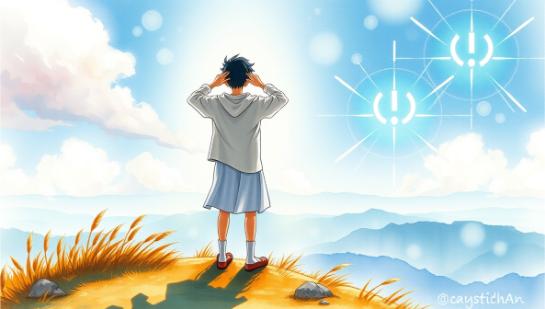 Arguably, Dyer’s most radical statement is this: your sensitivity is not a problem that needs to be fixed. It is an advanced gift that needs to be handled carefully. As we live in a more detached world, HSPs are emotional connectors, natural healers, and empathetic observers of the human condition.
The solution is not to numb your sensitivity but to find a way to use it in a positive way. This implies treating self-care as necessary care and not self-indulgence. It implies drawing boundaries as a means of self-preservation. It involves selecting surroundings, relationships, and career paths that respect your sensitive nature instead of using it as a source of exploitation.
Conclusion
Judy Dyer’s The Highly Sensitive is not about coping strategies at all; it is about reframing the whole experience of having heightened emotional awareness. Instead of making sensitivity a burden, Dyer presents it as an advanced superpower that needs to be nurtured.
The next step is not to be less sensitive but to be more competent with your sensitivity. It is about learning to identify what you need, guard your energy, and direct your empathetic abilities to purposeful use. HSPs are a gift to the world, which in many ways rewards them with emotional numbness, the ability to feel deeply, connect deeply, and be truly present.
It is not your weakness that makes you sensitive; it is your wisdom. And under the guidance of Dyer, you can learn to turn this gift into a strength, creativity, and great fulfillment. Sensitive souls are essential to the world more than ever. It is not the question of whether you are too sensitive, but whether you are prepared to accept the full force of your sensitive strength.

Leave A Comment