

Ikigai by Francesc Miralles and Héctor García
Have you ever wondered why someone in Japan lives to be over 100 years old in certain parts of Japan?
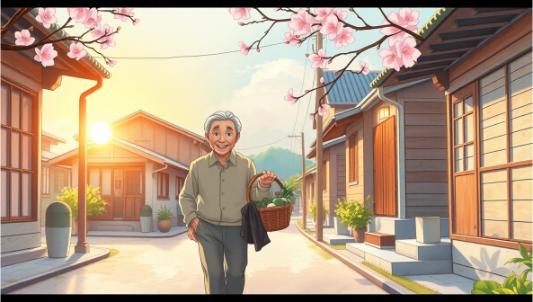 The answer may surprise you. It's not only about eating or exercise. It's not about having a reason for getting up every morning, but about a reason for rising. The Japanese refer to this as "ikigai."
Francesc Miralles and Hector Garcia went to Okinawa, Japan to unravel this secret. They studied the longest living people in the world. What they discovered altered our way of thinking about happiness and purpose.
What Is Ikigai?
The word ikigai means "a reason for being."
It's your purpose in life. It's what helps you to get excited to start your day. Everyone has an ikigai. The trick is finding it.
Think of ikigai is the sweet spot of where four things intersect. What you love. What you're good at. What the world needs. And what you can be paid for. When these four circles overlap, then you find your ikigai.
Let's say you are a big supporter of teaching kids. You're good and very good at explaining things. Schools need teachers. And, you can make money doing it. That could be your ikigai.
Lesson 1: Stay Active – Don't Retire
Here's something that is interesting.
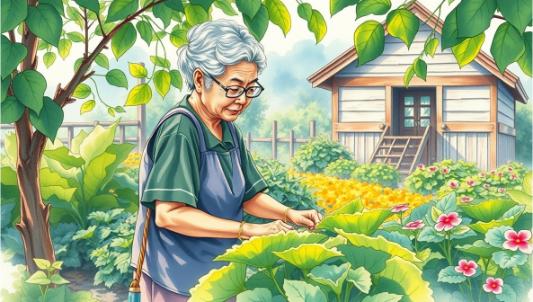 In Okinawa there is no word for retirement. People there are working into their 90s. But they don't see it as work. They see it as their purpose.
The lesson? Never give up completely doing meaningful things. Retirement doesn't involve sitting on the couch watching TV all day. It means discovering new ways of contributing.
Take up gardening if you are a lover of plants. At a library: volunteer if you are a book lover. Teach your skills to people who are younger The critical thing is to be in touch with life.
When you are no longer having a reason to get up, your body and mind begin the process of shutting down. Purpose keeps you alive.
Lesson 2: Take It Slow
Modern life moves fast.
We rush through meals. We multitask constantly. We're always stressed. The people of the island of Okinawa does the opposite.
They walk slowly. They eat slowly. They talk slowly. This isn't laziness. It's wisdom.
When you slow down you realize that you notice more You taste your food better. You listen to people with greater attention. You feel less anxious.
Try this tomorrow. Pick one activity. Maybe it's that morning cup of coffee you have. Drink it slowly. Don't check your phone. Just concentrate on the warmth of the cup. The smell. The taste. Five minutes of slowness will change your entire day.
Lesson 3: Eat Less, Live Longer
The Okinawans hold a certain principle known as "hara hachi bu."
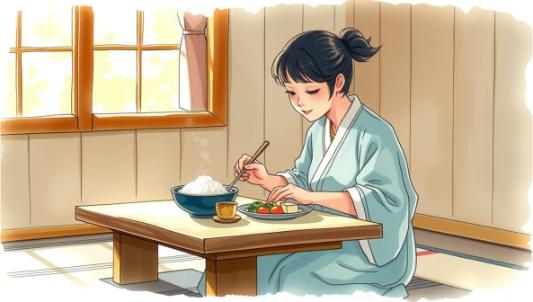 It means eat until you're 80% full. Don't smile all the way to stuffed up.
This simple rule makes them healthy. They don't count calories. It is just that they listen to their body. When you're mostly full you stop." "A good deal of life granted to us is boundless," said Celia.
Most of us consume until our plates are empty. Or until we can't eat anymore. This has the effect of stress to our bodies. It makes us tired and does not make us very healthy.
Next time you are eating, put less food on your plate. Eat slowly. With every bite ask yourself are you still hungry? Stop when you are satisfied, not stuffed. Your body will thank you.
Lesson 4: Hanging Out With Good People
In Okinawa everybody is a part of a "moai".
This is friends that support each other for life. They meet regularly. They share problems. They celebrate their victories together.
Your friends influence your life more than you can ever imagine. Happy friends make you happy. You have healthy friends, and they inspire you to be healthy. Supportive friends help you through difficult times;
Look at your closest friends. Do they lift you up? Do what do they encourage your dreams If it is not, then it may be time for you to find your moai.
Join a club according to your interest. Take a class. Volunteer. Seek individuals with similar values. Establish long-term relationships. These ties will be the ones that will see you through the storms of life.
Lesson 5: Get Moving Every Day
The 100-plus in Okinawa don't go to gyms.
They don't run marathons. But they move constantly. They garden. They walk. They do gentle exercises. They stay active naturally.
You Don't Need Fancy Equipment to Be Healthy You just have to move your body on a daily basis.
Stand up every hour, to those who have desk jobs. Use stairs rather than using the elevator. Walk to the local places rather than driving; The stretching should be done in the morning Dance when preparing dinner.
Movement need not be painful or boring. Find activities you enjoy. Perhaps it is playing with your dog. Perhaps it is dancing to your favorite music. The most effective exercise is the one that the get done.
Lesson 6: The Practice of Smiling and Saying Thank You
The people in Okinawa are very smiley.
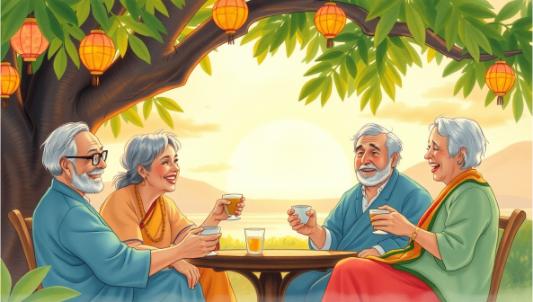 They express thanks often. They are grateful for the little things. A beautiful sunset. A good meal. A friend's visit.
Gratitude alters your brain. When you focus on what you have, you end up being happier. When you smile (even if under great duress) your mood improves.
Begin a prescribed practice, tonight. Before bed think of three good things that the day was. They can be tiny. The sun was warm. Your coffee was good. Someone held the door for you.
Write them down if you want. Or just think about them. This helps train your brain to appreciate the presence of things that are good. In the long run you'll be a naturally happier person.
Lesson 7: Get Back In Touch With Nature
Modern life keeps us indoors.
We stare at screens. We breathe recycled air. We forget we're part of nature.
The Okinawans spend much time outside. They grow vegetables. They walk in forests. They sit by the ocean. Nature heals them.
You can do this too. Eat lunch in a park. Grow some herbs on your window sill. Take your morning coffee outside. Listen to birds. Feel the breeze.
Even five minutes in the nature reduces stress. It clears your mind. It brings you the awareness that you're involved in something greater than your everyday anxieties.
Lesson 8: Live In The Moment
The book teaches one important truth.
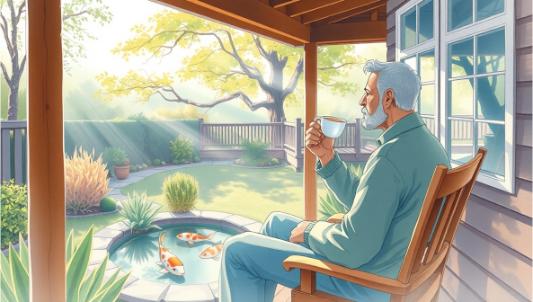 The past is gone. The future has not happened yet. All you have is right now.
Worrying about yesterday or tomorrow is stealing the joy from yourself. The centenarians are employing the focus on a present moment. They engage with whatever they're doing.
When you're with your family be all there. Put your phone away. Listen actively. When you're working, then you're working on that thing. When you are resting, really rest.
This is called mindfulness. Sounds simple but it is powerful. Try it during your next meal. Notice every bite. Chew slowly. Take full tasting experience with your food. That's living in the moment.
Lesson 9: Experience the Flow in Your Activities
Flow is when you're so intensity focused on something you just lose track of time.
 Hours feel like minutes. You're completely absorbed. This is where joy lives.
Everyone has some activities that make them flow. For some it's painting. For others it's coding. Maybe it is cooking or gardening or writing.
What are the things that make you lose track of time? Do more of that. These flow activities aren't time wasting. They're feeding your soul. They're part of your ikigai.
Schedule in your week time for your flow activities. Protect this time. It's as important as doing work or sleeping.
Lesson 10: Your Purpose Doesn't Need To Be Big
Here's something relieving.
Your ikigai doesn't have to change the World. It does not have to make you famous. It just needs to matter to you.
Maybe your path is by being a good parent. Maybe it is making people laugh. Maybe it is creating beauty through art. Or maybe it is helping your neighbors.
Small purposes are just as much valid as big ones. One teacher who finds the right teacher has found ikigai. A baker who delights through fresh bread has discovered the secret.
Don't stress yourself to have some great, world-changing purpose. Find something to be happy about in the present moment you are in. What are your hobbies that enable you to feel alive? What would you do when no one is paying you? Start there.
The Final Message
Ikigai isn't complicated.
It's about identifying things which are important for you and doing them daily. It's about moving your body, eating cleaner and being connected to others. It's about slowing everything down and liking life.
But you don't have to go to Japan in order to apply these lessons. Start small. Pick one lesson out of this book. Try it tomorrow. Then add another. Build a life that you have a reason to wake up smiling.
The way of centenarians of Okinawa has told us. Long life isn't just an addition of years. It's about making your years longer on borrowed life. It's about having purpose, joy and connection every single day.
Your ikigai is waiting. Go find it.

Leave A Comment