

Tea Leaf Reading: An Introduction to Tasseography
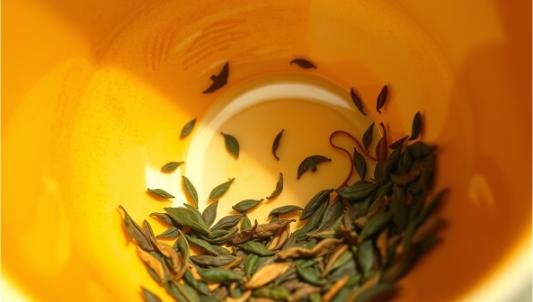
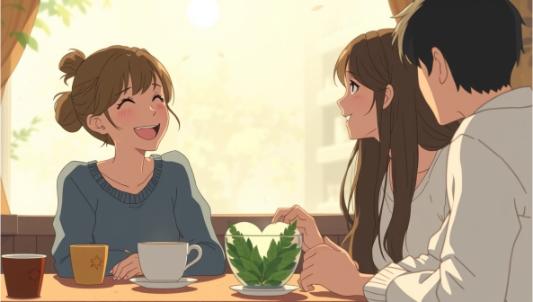 Think about it. You have a cup of hot tea, still steaming. You’ve almost finished it, but there are a few hieroglyphic tea leaves at the bottom that you need to interpret. Tea leaf reading, predicts what will happen next by looking at the shapes the tea leaves have formed. The idea probably comes from something like human instinct. It may sound ridiculous, but it’s a fun, interesting, and useful activity, and it’s been popular for quite some time.
What Does It Mean to Read Tea Leaves?
Tea leaf reading interprets the meaning of wet tea leaves before they break.
This is not a crystal ball that “sees the future.” It’s more like going back to your subconscious and drawing something clever that expresses your thoughts or ideas in your tea, rather than drawing pictures with your drink. It’s like a softer, more dreamy Rorschach test.
Tea leaf reading is normally the main and standard method, but there are other methods such as reading coffee grounds or wine sediment that are also popular in some parts of the world like the Middle Eastern countries. Regardless of the medium used, tasseography ultimately connects the dots and tells a story.
How it all started?
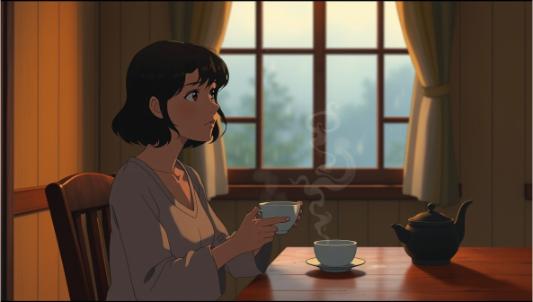 It’s no surprise that tasseography began in the East, the birthplace of tea. As far as we know, the Chinese were already reading tea patterns during the Tang Dynasty. And the practice slowly spread along trade routes from India and the Middle East to Europe and other regions.
There is also a reference to tasseography. Anyone who knows anything about the Victorian era knows that mediums, séances, and other supernatural things were fun activities for the whole family to enjoy. Tea leaf reading started to develop at these social gatherings.
My grandmother told me about tea leaf reading in pre-independent India in the 1940s. The locals raved about her unique healing and performance art methods. On Sundays, there were long lines. She often made predictions that were not very accurate because of the tea stains, but even if they were not very accurate, they made her customers feel good.
Tools of the Craftsman
Prepare your tools before knowing the tasseography technique.
-
Loose tea: Do not purchase fancy pyramid shaped tea bags. It is too rigid and soulless. But never mind about that. The thing is that the tea leaves are of many varieties, some of them will sink, others will float and some will swirl.
-
A wide, shallow teacup: White or light-coloured porcelain is particularly useful to emphasize the forms of the tea leaves. Some teacups have fixed symbols engraved, no matter how pure the shape. Even an empty teacup has a minimalist feel.
-
Be patient: Remember that tea leaf reading is more like writing poetry than doing math. You must rely on intuition to do this slow, exploratory dance. It’s a skill like reading clouds rather than predicting the weather.
Tea Leaf Reading Ritual
The fun part comes next. Make a delicious drink and follow these simple steps:
1. Choose your tea carefully
Choose a loose-leaf tea with a rich flavor. Black or green teas, for example, are good because the leaves are small and spread well. Delicious herbal blends can also be considered, but they are a little loose.
2. Drain the water from the cup, but leave some behind
Sip the tea. Make a small puddle of water while you spin the cup, so that the tea leaves float.
3. Spin, spin, spin
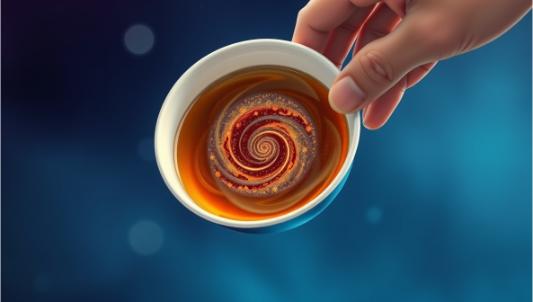
Now, let’s get serious about spinning! First, spin the remaining tea clockwise three times. Next, turn the cup upside down and start pouring the remaining tea. Remember, everyone does something for a reason, so do it intentionally.
Canvas Observation

As the tea leaves have been poured, there will be some pretty designs within the teacup. The tea leaves are attached to the sides of the tea cup or in more elaborate designs to other sections of the bowl. As you move the teacup, the tea leaves do not move, but seem to move.
Leaf Reading
This is something I find fascinating. Tea leaf reading depends mostly on the complex thoughts in the human mind, and how you look at them. And it is fascinating how different people see the same leaf differently. That is what you are here to see. Here are some ways to get started to stimulate your thoughts or imagination.
-
Animals: Birds can symbolize news or freedom, while snakes can attract attention.
-
Paths or Lines: Smooth, precise cuts indicate movement. if you see smooth, straight lines, it means Steady progress. If you see zigzags, it means everything will change.
-
Circles: A complete loop, a circle can represent the completion of something, or traveling in a cycle.
-
Numbers/Applications: The true meaning of “A” can mean a famous person. What about the number “3”? It could mean three days, three weeks, or some event.
These concepts can be unclear sometimes. Just remember, that most of the time, this shape is emotionally connected to something that is happening in your life at that time.
Teacup Tales and Myths
Like all forms of divination, Tasseography does not end with predicting the future. Every divination has its interpretation. Let me tell you another story. On a rainy day, a distant uncle of mine decided to have her daughter’s fortune told. Her daughter is around 22. And you know what? She saw a heart in the cup. The daughter laughed and thought it was funny. But there’s a twist. Later that week, she received a proposal from one of her colleague who asked her out for coffee.
Scientific Explanation
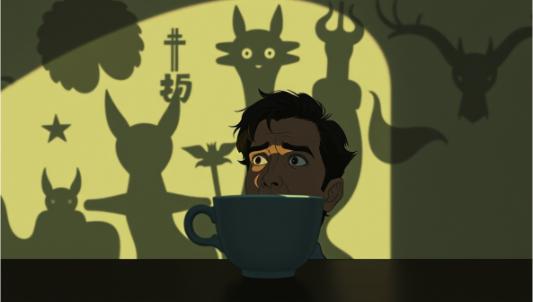 There is no such thing as scientific tasseography. Tea leaf reading is a mix of logic and imagination, and it’s no wonder.
We’ve discovered a phenomenon called pareidolia, which is based on the fact that our brains are wired to recognize patterns. The same goes for tea leaf reading. The desire to know is so strong that it finally comes to fruition.
What would the critics say? They might argue that the meaning we extract comes not from the leaves, but from our moods and desires. But that’s what makes tasseography beautiful. Whatever your perspective, isn’t it worth considering?
Why People Love Tasseography?
Reading tea is a chance to stop and to get out of the day to day routine and give your imagination some room to go wild. Knowing something as uncomplicated as a single tea leaf can be like a revolution in a world that is full of information. It makes you forget about time, reflect on yourself, and it is fascinating to your human mind when you see the tea leaf differently.
This simple and romantic concept can appeal to people. Imagine yourself as an interpreter between the everyday and the extraordinary, over a cup of tea.
How to Practice Tasseography in Your Life?
Want to get started? It’s simple. Just prepare a delicious cup of tea and your favorite loose-leaf tea. No learning required, no complicated explanations required. Take the first step on your journey with an open mind and careful joy. And watch the pictures slowly unfold in the infinite open space of your eyes.
You can spend the weekend with friends or alone. If you’re not satisfied, just stir your coffee and drink it.
Every cup contains a part of our lives. Tasseography is a form of divination that has its place in everyone’s heart, and can tell a wonderful story to the listener.
Conclusion
Interpreting tea leaves is more about relationships than prophecy. It’s where patterns can reveal animals, paths, and even chaotic yet enjoyable chaos. The patterns are mirrors, which ask us to look inside and savor the moment, and this is the great magic, which we can all access.
Do not get rid of it in the sinks or trash can after you drink your tea. Rather, lean the cup forward to see the tea leaves and their interpretation. You will be really astonished at the extent of the inferences, even when it is only a start of a great story that your brain is trying to conclude.














Leave A Comment