

Releasing Control Through Mindful Surrender
There’s a moment – maybe you’ve had it – when your carefully crafted plans unravel. The job interview you prepared for? Silence. The conversation you rehearsed in your head a hundred times? It went sideways. And suddenly, despite all your effort and ”doing the right things,” life doesn’t follow the script. That’s when it hits you: the panic of losing control. We’ve all felt it… that urge to grip tighter when things start slipping. To fix, manage, tweak, predict. Unfortunately, the more we try to hold on, the more tangled we become. But what if, instead of tightening your grip, you loosened it? What if you surrendered by your own volition and let things just… be? In this piece, we’re unpacking what it actually means to release control through mindful surrender, and why doing so might be the most courageous move you make for your emotional well-being.
Why We Struggle to Let Go
We like to think we’re in control. That if we plan far enough ahead, anticipate the worst, stay two steps in front of everyone and everything… We’ll be okay. We won’t get blindsided. We won’t fall apart. And we’ll be prepared. Safe. Untouchable.
But control is sneaky. It doesn’t feel like fear, not at first. It feels like responsibility. Like being smart. Like staying focused.
Until it doesn’t.
At some point, the whole thing starts wearing thin. You’re tired, but your mind keeps looping. You try to relax, but your jaw is locked, and your shoulders are up by your ears. You tell yourself you’re just being thorough, but your body’s screaming otherwise. The tension. The knots. Don’t even get me started on headaches. And that fatigue that shows up out of nowhere. It’s all connected. These are the physical symptoms of anxiety that you’ve maybe chalked up to stress or a bad night’s sleep, when really… It’s the weight of holding everything together.
We don’t struggle to let go because we’re stubborn. We struggle because control used to work. It gave us something to hold onto when things felt unstable – like a railing on a staircase that’s missing steps.
But life doesn’t always give us rails. Sometimes it asks us to trust the next step without seeing it.
And that? That feels impossible when your nervous system has been in survival mode for years.
So yeah, letting go isn’t easy. Not because we’re doing it wrong, but because we’ve been doing what we had to do to feel safe.

Letting go starts with noticing when your body is holding on.
The Link Between Control and Suffering
Control seems harmless. Smart, even. Keep everything organized, stay ahead, avoid surprises. Makes sense, right?
Unfortunately, when control becomes your default, it stops being helpful.
This is when the signs of over-controlling start showing up. You start reacting to things that don’t really matter. Your patience runs thin. You feel tense for no clear reason. You’re in constant motion, but somehow, still staying still.
Control creates quiet, constant pressure that doesn’t lead anywhere. And eventually, it disconnects you from the very life you’re trying so hard to hold together.
What is Mindful Surrender?
Simply put, it’s letting go of control without giving up. It’s knowing when something’s no longer in your hands and instead of forcing it, allowing it to unfold without trying to micromanage the outcome.
What It Looks Like to Surrender Mindfully
Say you send a message to someone. They see it, but they don’t respond. Hours pass. Then a day. Your brain starts spinning.
Normally, you might follow up or reread what you sent. Or assume you said something wrong. Maybe even draft a second message just to clarify.
Mindful surrender is choosing not to do that.
You notice the urge to chase closure, but you let it sit. You remind yourself that you’ve said what you needed to say. That their silence isn’t something you can control.
And that’s it.
You’re still aware. You still care. But you stop managing every angle. You let the situation breathe – even if it’s uncomfortable.
Practices to Help You Release Control
1. Pause before reacting
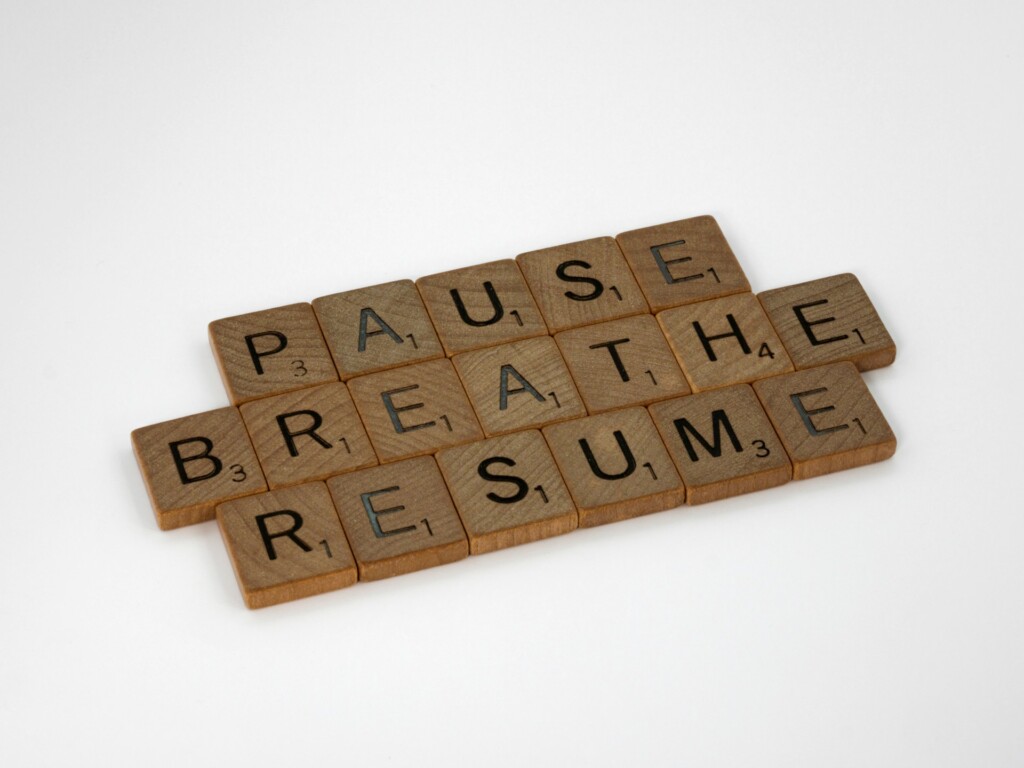
That moment when you feel the urge to fix, explain, defend, or act fast? Don’t. Not right away. Take a breath. Step away. Give yourself five minutes or an hour. That pause is where control usually creeps in – and where surrender can start

Moments of mindful surrender often begin in silence, not with a decision, but with awareness that control can wait.
2. Notice what’s yours – and what isn’t
Ask yourself, ”Am I trying to control something that isn’t mine?” Other people’s reactions, timelines, emotions, decisions – that’s their stuff. Not yours. Let them have it.
3. Say ”I don’t know” and mean it
You don’t need a plan for everything. You don’t need to figure it all out today. Let uncertainty be there without rushing to fill it.
4. Rest without earning it
You don’t have to hit a productivity quota to justify rest. If you’re tired, rest. If you’re overwhelmed, slow down. Control tells you to push through. Surrender lets you stop.
5. Set intentions instead of expectations
You can move toward what you want without clinging to how it has to look. Intentions give you direction. Expectations trap you in outcomes you can’t guarantee.
When You Let Go, You Create Space
Letting go doesn’t fix everything. It won’t erase discomfort or give you immediate answers. But it does change how you go through your days.
You’re no longer running every moment through the lens of ”What should I be doing about this?” You’re able to respond, not just react. You’re present, not performing.
And from that place, things tend to change. Sometimes the outcome improves. Sometimes it doesn’t. But either way, you’re not burned out trying to force it. You’re not tangled in it. You’re steadier – even if nothing else is.
That’s the real payoff of mindful surrender. Not perfection. Not control. Just space. And the freedom that comes with it.















Leave A Comment