

What Doctors Don’t Learn in Medical School by B.M. Hegde
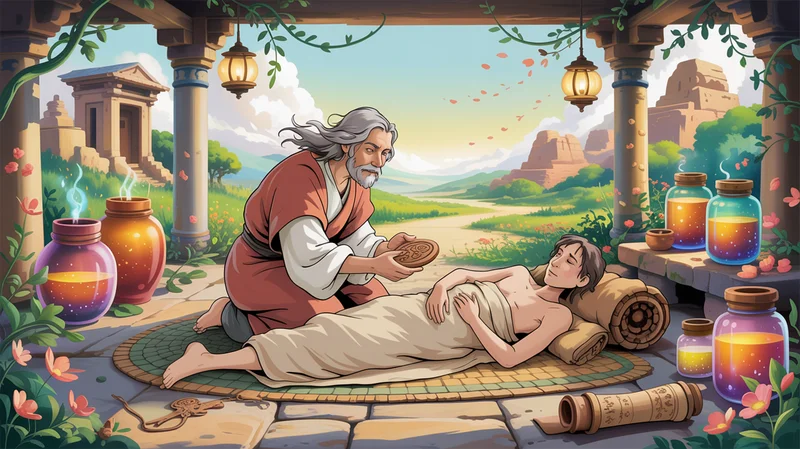 This book, titled “What Doctors Don’t Learn in Medical School,” is written by B.M. Hegde.
Have you ever wondered why, despite your best efforts, you keep getting recurrent health problems and chronic diseases? Dr. B.M. Hegde answers these questions and many more in his insightful book. Dr. Hegde exposes the gaps in today’s medical education and shows how they can be detrimental to your health.
A nationally renowned cardiologist and author, Dr. Hegde raises an important question in this book that goes beyond cardiology: doctors learn about many diseases and conditions, but they don’t learn enough about patients who actually suffer. His insights go beyond textbooks and are backed up by decades of medical experience.
Lesson 1: Humans are complex systems, but medicine breaks them down into pieces.
Doctors are experts at “shooting the gun”-identifying symptoms and treating them as effectively as possible. These routine problem-solving methods may work in the corporate world, but they don’t work in the human body, where everyone’s mind is intertwined. This mechanical approach that doctors are encouraged to apply to humans completely ignores the “whole patient” part of the equation.
When you finally settle into the exam room for that first appointment, don’t keep the story short. Sure, mention the ache or the cough that dragged you in, but also add how well-or-not you slept, whether work makes you jumpy all day, and what you do over breakfast, between emails, and in whatever leftover minutes you call free time. A good doctor cares about the whole picture, not just the headline, so speak up if she studies the chart for a moment and still says nothing. You live in your body every hour, so believe the signals it sends and pass them along.
Lesson 2: Change is Amazingly Effective
Your body remembers and stores every emotional event in your life. So your emotions affect every aspect of your life. Removing stress and depression can foster self-healing by connecting joy and purpose to bodily functions.
Dr. Hegde shares additional thoughts and feelings related to health. He says that anger and stress can also hinder healing. Joy, a strong sense of purpose, and a sense of community open the way to healing. It’s important to note that most therapists lack education in the mind-body relationship.
People in every job and hobby really ought to pay closer attention to their feelings and the waves those feelings create. Stress is not something that just quietly waits for the best moment. It works its way into our bodies as the headaches, the muscle tightness, the sleeplessness that far too many of us become used to treating as the norm. A simple action — slowing down, listening to birds, the leaves rustling, even the buzz of a bus-strewn street — can calm the nervous system almost as well as a dose of medicine.
So, no matter who you are, what you do, what your job is, what your hobby is, you should pay a little more attention to your emotions and the waves they create.
Lesson 3: You’re not just “unlucky.” Illness is a result of your lifestyle!
Many chronic conditions, like diabetes, heart disease, and certain types of cancer, aren’t just “unlucky.” They are consequences of our daily decisions accumulate over time. In fact, the foods we eat, our exercise habits, the amount of stress we have, and even the way we sleep are all important factors, sometimes more effective than most medications.
Try one small health change this week. Adding one more vegetable to your diet or taking a brisk 10-minute walk after dinner is a good idea. Even the smallest changes add up over time. Always remember that it is easier to prevent illness than to treat it.
Lesson 4: The doctor-patient relationship has healing power.
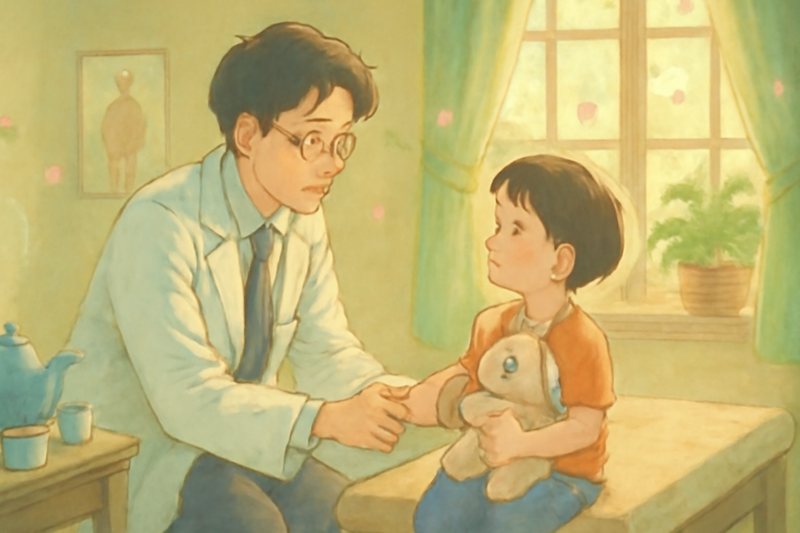 This healing power is immense in itself. Merely having a therapist listen and express genuine concern offers real relief. That comfort, grounded in trust, extends beyond feelings-it can also touch the body. That connection of trust and emotion drives the release of chemicals that mitigate pain and promote healing.
A good doctor should explain your problems in detail.
. If you feel left out, you can always find another doctor. The bond with a professional who can help you navigate the ordeal of medical treatment is invaluable and worth it.
Lesson 5: Modern medicine often defines everyday experiences as illnesses.
Sadness that comes from sadness is not the same as clinical depression. Sleep disturbances that occur during stressful times are not signs of chronic insomnia. Aging is accompanied by certain changes, but not all changes. Dr. Hegde expresses concern about our overreaction to everyday events that would be better left untreated.
Before getting a diagnosis or treatment, ask yourself: “What is the expected outcome for me?” “What is the worst that can happen if I do nothing?” Sometimes the most effective intervention is to provide emotional support.
Lesson 6: The Most Competent Doctors Exercise Self-Control
Oddly enough, more is not always better. Some problems resolve on their own over time. Some treatments do more harm than good. The most experienced doctors know when to take appropriate action and when it is best to do nothing.
If you’d like, I can help you further with adding bullet points, summaries, or styling tips for publishing online or print!
In non-acute cases, it is often better to start with the least aggressive strategy. If you are suffering from a mild headache, rest, drinking water, and getting some fresh air are the first things you should do rather than just taking a painkiller. In fact, in many cases, less is more.
Lesson 7: The wisdom of ancient civilizations was much more advanced than we might think.
Before modern medicine, people have always sought healing methods. Ayurveda, traditional Chinese medicine, and indigenous healing methods were not mere speculations. There were elements of health that they understood well and that science today is only just beginning to recognize.
To learn more about traditional healing methods, check out reliable sources on healing. Drinking ginger tea to help digestion or doing certain breathing exercises to manage anxiety have helped many people. These treatments can complement modern treatments.
Lesson 8: What can the body’s amazing ability to heal itself accomplish?
Our bodies can restore balance and health. They can reduce injuries, prevent infections, and even cure a multitude of diseases without treatment. Dr. Hegde reminds us that effective practices, places, and healing empower recovery. They make healing possible.
Don’t fight nature. Trust your body’s signals. Rest when you’re tired. Eat when you’re hungry. Movement can help. These approaches are easy to implement and strengthen the healing pathway. And so-called fever symptoms, such as fever, are not actually the problem itself, but rather the body’s compensation mechanism to address the problem.
Lesson 9: Food Can Help Treat Disease
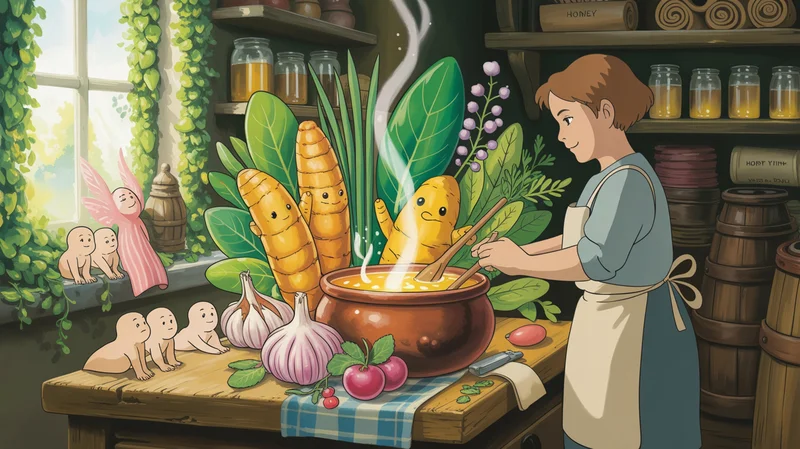
The food you consume eventually interacts with every cell and tissue in your body; nutrition literally becomes you. Remarkably, many medical doctors complete only a few hours of training on diet and its effects during all of medical school. Select high-quality, minimally processed ingredients, however, and you can often prevent-or even reverse-serious health issues down the road.
So look for items your great-grandparents would immediately identify as honest fare. Fresh fruit, dark leafy greens, whole grains, raw nuts, and simple beans come packed with thousands of beneficial compounds that no supplement or medication can replicate.
Lesson 10: Healing Connections and Community
Loneliness isn-t just that empty-feeling ache it can sneak in and mess with your body. People with tight-knit friends and family tend to live longer, catch fewer colds, and dodge a bunch of nagging long-term issues. Having a solid crew around you is probably the most ignored super-health tip on the planet.
Prioritize relationships and devote ample time to developing them. Answer phone calls instead of texts. Join clubs and volunteer groups. Be social with others when possible during meals. Build connections through small interactions. These actions will help you lose weight and improve your health in ways that prescriptions never could.

Lesson 11: Effective health care should be simple.
The current health care landscape is overwhelmingly complex. With so many specialists, complex diagnostic tests, and a long list of medications, it’s easy to get lost. Dr. Hegde recommends going back to basics and using techniques that are as simple as possible.
Ask your doctor for the most basic and effective advice. Keep a systematic list of medications and regularly ask if each is still needed. A treatment plan that improves your health involves stopping medications rather than adding new ones.
Lesson 12: Engaging meaningfully with the health care system requires active participation as a patient partner.
The term “patient” comes from a word meaning someone who “passively suffers.” However, the greatest results are achieved when people actively engage in their care, and knowledge is truly powerful in well-being.
Write down your main concerns when preparing for your appointment. Create questions and have answers for all of them. Research reputable sites. Remember that health care is a service you receive, not a treatment you receive.
Lesson 13: The best health insurance is how you live every day of your life .
Not all insurance policies can protect you as much as your daily choices. The food you eat, the way you move, the way you deal with stress, and the relationships you form have a greater impact on your health than any medical service.
Invest time in improving your health just as you would in insurance, and don’t neglect your priorities. Regularly meditating for five minutes, taking a short walk, and drinking water instead of soda are all you need.
Conclusion
Dr. Hegde’s latest work reminds readers that genuine health care goes well beyond simply treating obvious illness. It encourages a careful examination of the deeper forces that shape individual wellbeing. Generally, better health results from fewer drugs and procedures than many assume; combining solid modern research, time-tested practices, and straightforward common sense can achieve remarkable progress.














Leave A Comment